 05 March 2026
 Share
Share
1

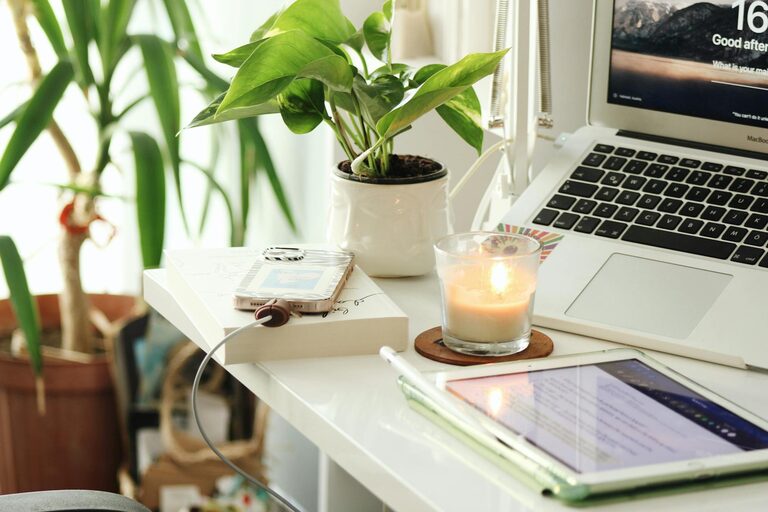
Working from home has become increasingly common, and having a dedicated, productive home office space is essential for focus and efficiency. Whether you’re setting up a new workspace or improving an existing one, there are several ways to create an environment that supports your daily work needs. This guide offers practical tips to help you design a home office that keeps distractions at bay, improves comfort, and enhances productivity.
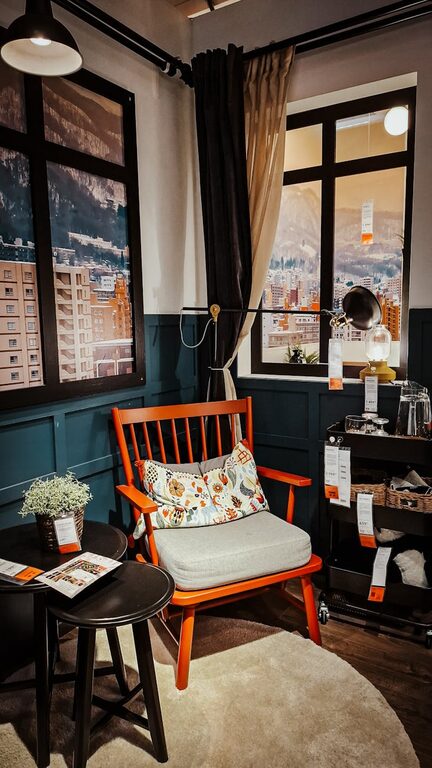
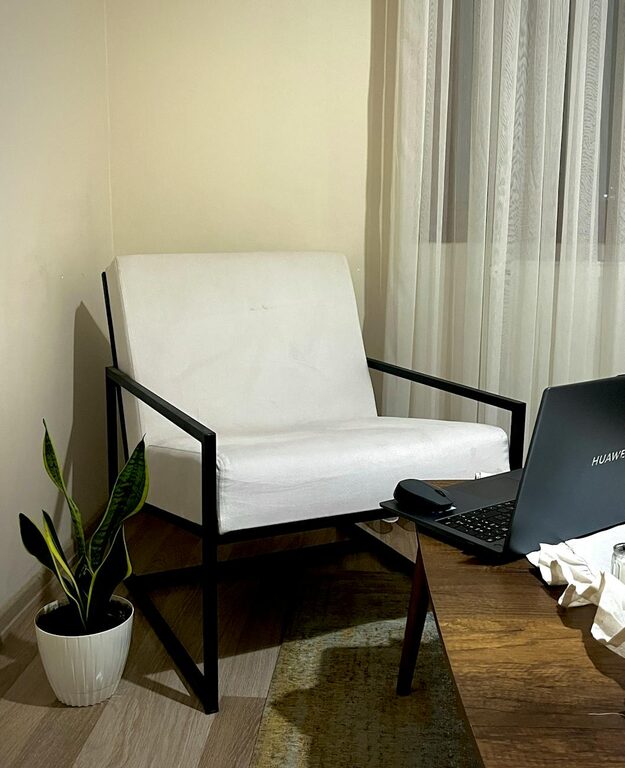
Selecting the best area in your home for your office is the first step. Ideally, choose a quiet spot with minimal foot traffic, such as a spare room or a corner away from common areas. Natural light is a bonus, as it improves mood and reduces eye strain, so try to position your desk near a window if possible.
– Noise Levels: Pick a location with the least external noise to help maintain concentration.
– Privacy: A separate room or a secluded spot helps separate work time from home life.
– Space Requirements: Make sure there’s enough room for your desk, chair, and any storage you need.
– Connectivity: Ensure strong Wi-Fi or wired internet access for smooth online work.
Comfort is crucial when you spend hours working. Ergonomic furniture supports good posture and reduces physical strain.
– Ergonomic Chair: Look for adjustable height, lumbar support, and comfortable padding.
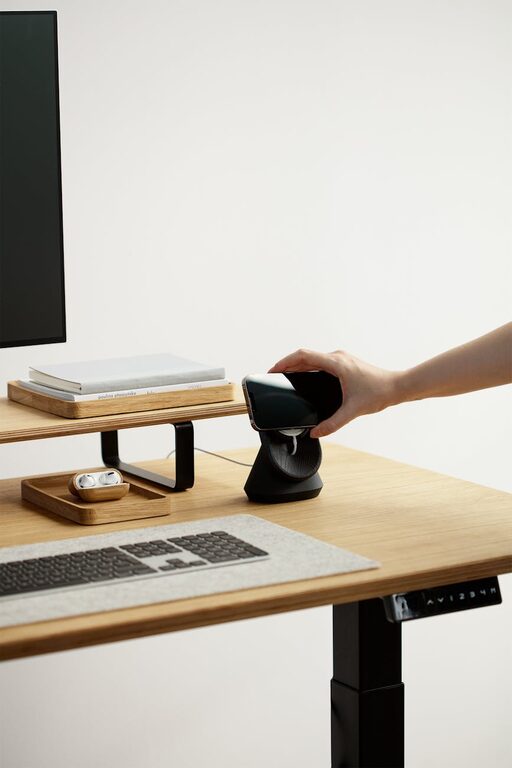
– Desk: Choose a surface at the right height; adjustable desks allowing standing are a plus.
– Monitor Stand: Position your screen to keep your head and neck in a neutral position.
– Keyboard and Mouse: Ergonomic options can reduce wrist strain.
Remember to arrange your desk so frequently used items are within easy reach, reducing unnecessary stretching or twisting.
Good lighting not only prevents fatigue but also sets the mood for productivity.
– Natural Light: Use blinds or curtains to control glare while allowing daylight.
– Artificial Lighting: Invest in a quality desk lamp with adjustable brightness. Warm white light is gentle on the eyes.
– Avoid Screen Glare: Position monitors perpendicular to windows and light sources.
A tidy workspace reduces distractions and makes it easier to find what you need. Use storage solutions tailored to your needs.
– Shelves and Cabinets: Store papers, books, and supplies neatly.
– Desk Organisers: Keep pens, notebooks, and chargers orderly.
– Cables: Use clips or a cable management box to avoid tangled wires.
– Regular Cleaning: Dedicate a few minutes at the end of each day to tidy your desk.
Working from home can blur the line between professional and personal life. Establishing boundaries helps maintain balance.
– Define Work Hours: Stick to regular start and finish times.
– Communicate Boundaries: Inform family or housemates when you are working.
– Breaks: Schedule short breaks to rest your eyes and stretch.
– Separate Work and Leisure: Use your office only for work to mentally separate your day.
Adding touches of personality can boost motivation but keep it minimal to avoid distractions.
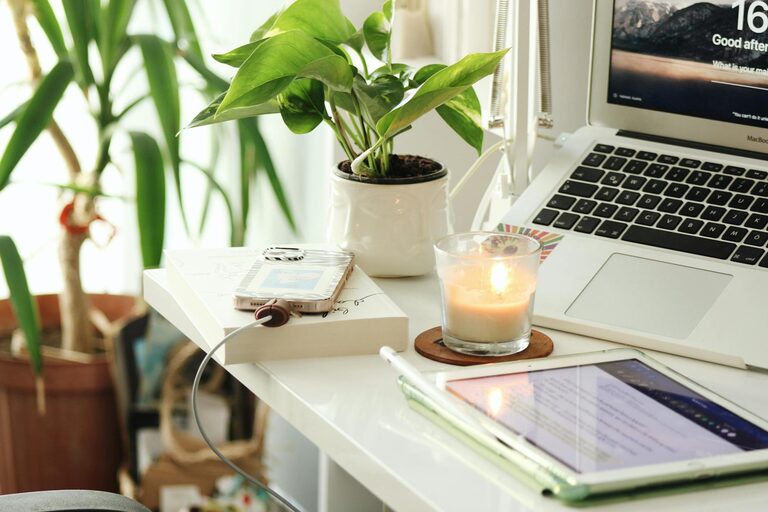
– Plants: Small indoor plants improve air quality and create a calming atmosphere.
– Artwork or Photos: Choose items that inspire or make you happy.
– Colour Scheme: Use colours that support focus, such as blues or greens.
Having the right tools can make your work smoother and less stressful.
– Reliable Computer and Accessories: Keep software updated to prevent issues.
– Noise-Cancelling Headphones: Block out unwanted sounds during calls or focused tasks.
– Productivity Apps: Use calendars, to-do lists, and communication tools to stay organised.
Comfortable room temperature and fresh air contribute to better concentration.
– Ventilation: Open windows regularly or consider an air purifier.
– Heater or Fan: Adjust according to the season to maintain a pleasant temperature.
Creating a productive home office is about balancing comfort, organisation, and focus. By choosing the right space, investing in ergonomic furniture, managing lighting, and setting boundaries, you can transform your home workspace into a place that supports your best work. Personal touches and effective technology use also add to a positive environment. Take time to adjust and personalise your setup; every small improvement adds up to better productivity and work satisfaction.