
 05 March 2026
 Share
Share
1
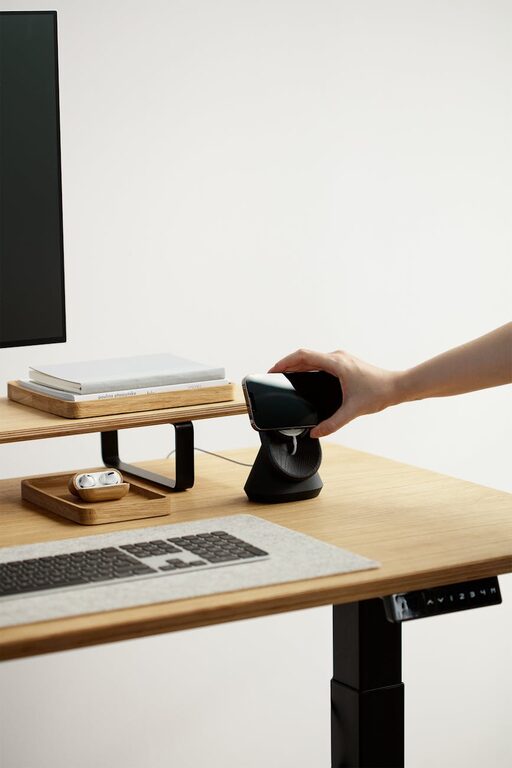
Creating a productive home office space is key to working efficiently and comfortably when at home. Whether you work remotely full-time or use your home office occasionally, setting up the right environment can help improve focus, reduce distractions, and enhance your overall work experience.
In this post, we will explore practical tips to help you design a home office space that supports productivity and well-being. From choosing the right location to organising your workspace, these suggestions will help you create an effective and inviting area to get things done.
Start by selecting a dedicated spot in your home for your office. Ideally, this should be a quiet area with minimal foot traffic to reduce interruptions. Consider using a spare room, a corner in your living room, or a nook under the stairs, depending on your available space.
Natural light is another important factor. Position your desk near a window if possible. Daylight helps improve mood and focus and reduces eye strain. If natural light is limited, invest in good quality lighting that is bright but not harsh.
Your furniture sets the foundation for a productive work environment. Make sure to choose an ergonomic office chair with good lumbar support to keep you comfortable during long periods at your desk. Sitting properly can help prevent back and neck problems.
Select a desk that suits your needs — consider size, height, and storage options. If you have space, adjustable desks that allow you to alternate between sitting and standing are a great way to encourage movement throughout the day.
Clutter can quickly undermine productivity and cause stress. Keep your desk tidy by limiting the number of items on it to essentials only. Use organisers, trays, or drawer dividers to store stationery and other supplies neatly.
Develop daily habits to clear your workspace at the end of each day — this sets a clear boundary between work and home life and offers a fresh start each morning.
Identify what typically distracts you and implement strategies to reduce them. If noise is an issue, noise-cancelling headphones or soft background music can help. Consider scheduling “do not disturb” periods in your home to ensure you have focused work time.
Communicate boundaries with household members regarding your working hours to minimise interruptions. Using a visible sign or closed door can also signal when you shouldn’t be disturbed.
While keeping it functional, add personal touches to make your office inviting. Photos, plants, or artwork can help create a pleasant atmosphere that improves your mood and motivation.
Plants, in particular, have been shown to boost concentration and reduce stress, while also improving air quality. Just be careful to choose low-maintenance varieties suited to indoor environments.
Having the right technology and tools is essential. Ensure your computer, keyboard, mouse, and monitor are comfortable for extended use. Position your monitor at eye level to reduce neck strain and consider investing in a second screen if it helps productivity.
Use cable management solutions to keep cords organised and out of the way. Keep all essential devices charged and within reach, but avoid overcrowding your desk with unnecessary gadgets.
A productive workspace is only one part of the equation; a good routine is just as important. Set regular working hours and take breaks throughout the day. Use techniques such as the Pomodoro method (working for 25 minutes, then taking a 5-minute break) to maintain focus.
Having a routine helps your brain associate your home office with work, which can improve concentration and reduce the temptation to procrastinate.
A well-ventilated room improves air quality and helps keep you alert. Open windows when possible or use an air purifier. Adjust the room temperature to a comfortable level; too hot or too cold environments can affect productivity.
Comfortable ambient temperature and fresh air reduce fatigue and maintain your energy levels throughout the working day.
—
Setting up a productive home office takes some planning and thought, but the benefits are well worth it. By choosing the right location, investing in ergonomic furniture, organising your workspace, and minimising distractions, you set the stage for effective work. Remember to personalise your space and maintain a healthy routine for optimal results.
A well-designed home office can not only boost your productivity but also create a space you enjoy spending time in — a win-win situation for work and wellbeing.
